

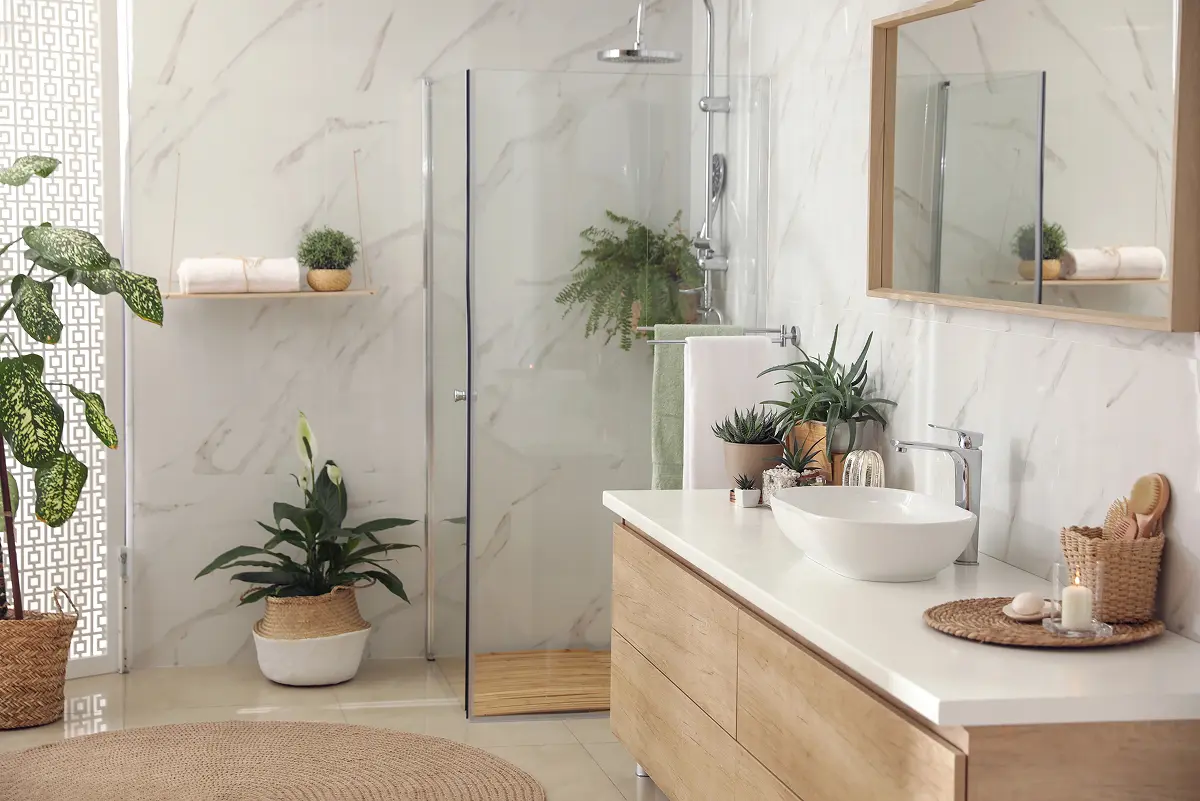
The bathroom renovation process is not merely a matter of replacing old materials. When proper planning is not carried out, even a bathroom that looks aesthetically successful can face usage problems, maintenance difficulties, or additional costs within a short time. This is because bathrooms are living spaces where water, moisture, and temperature changes are intense and many technical details must be considered together.
In a successful bathroom renovation process, tile selection, sanitaryware planning, plumbing infrastructure, waterproofing, lighting, and storage solutions should be addressed together. Overlooking any one of these elements can negatively affect both usage comfort and the durability of the work in the long term.
So, what are the most common mistakes encountered when renovating a bathroom, and how can they be prevented?
1. Focusing Only on Appearance
One of the most common mistakes made during bathroom renovation is making all decisions based solely on visual appeal.

The color of the tiles, the design of the sanitaryware, and the appearance of the faucets are certainly important. However, the technical characteristics of the products are at least as decisive as aesthetics.
For example, the slip-resistance class, water absorption rate, and abrasion resistance of tiles to be used on the floor must be evaluated. A product that is visually appealing may not meet expectations in the long term if it is not suitable for the conditions of use.
2. Putting Waterproofing in the Background
Waterproofing is one of the most critical applications in a bathroom.

No matter how high-quality the surface coverings are, improperly applied waterproofing can eventually cause water leaks to lower floors, moisture on walls, and damage to structural elements.
Therefore, before tile installation, it is highly important to plan and apply waterproofing in accordance with the relevant standards.
3. Choosing the Wrong Tiles
Not every tile is suitable for every area.
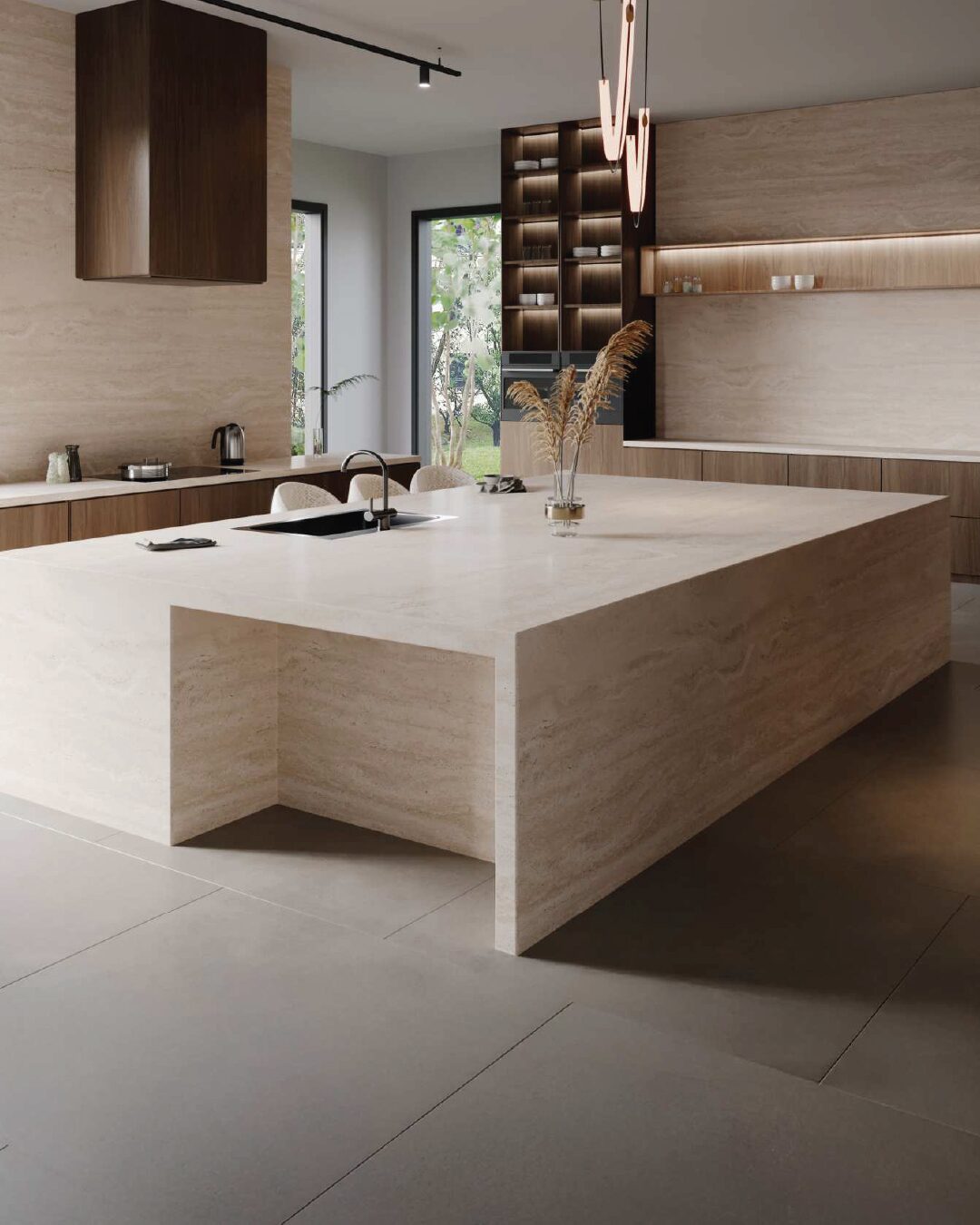
Glossy surfaces chosen for the bathroom floor solely because of their appearance may increase the risk of slipping depending on the conditions of use. Likewise, products with different technical characteristics may be required for walls and floors.
When choosing tiles, the area of use, surface type, size, slip-resistance value, and ease of maintenance should be evaluated together.
4. Planning Insufficient Storage Areas
In new bathrooms, organized use is as important as an aesthetic appearance.
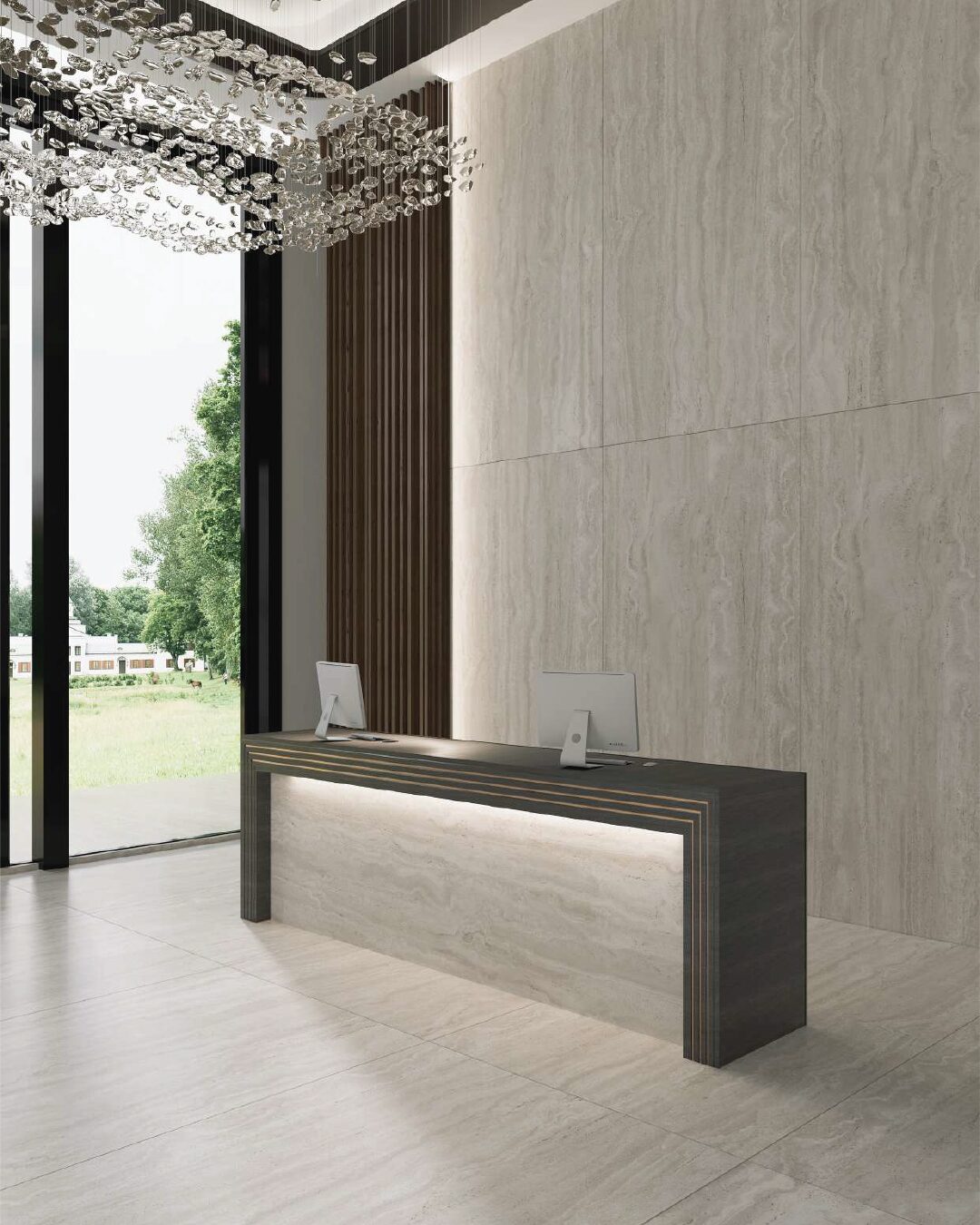
When sufficient storage space is not planned, personal care products, towels, and cleaning supplies may be left out in the open. This creates visual clutter and reduces daily usage comfort.
Solutions such as recessed niches, vanity units with drawers, and wall shelves can help use the space efficiently.
5. Providing Lighting from a Single Point
Lighting is among the most neglected issues in bathrooms.
A single ceiling fixture is often not enough. Shadows, especially around the sink and mirror, can cause discomfort during daily use.
In addition to general lighting, planning supplementary solutions that provide uniform light around the mirror can offer more balanced use.
6. Starting Renovation Without Checking the Plumbing Infrastructure
Renovating only visible surfaces is not always sufficient.
In older buildings, water pipes, drain lines, or connection points may have deteriorated over time. Plumbing problems that emerge after tile and sanitaryware installation is complete can lead to additional costs.
For this reason, it is recommended that the existing infrastructure be inspected in detail before renovation.
7. Ignoring Ventilation
Removing the constant moisture generated in bathrooms is important both for protecting building materials and creating a healthy indoor environment.
Insufficient ventilation can cause mold growth, unpleasant odors, and surface deformation.
In bathrooms where natural ventilation is not possible, it may be beneficial to consider mechanical ventilation systems with suitable capacity.
8. Failing to Plan Sanitaryware and Furniture Dimensions Correctly
It is not enough to select bathroom products correctly one by one; they must also work together harmoniously.
When sufficient clearance is not left between the sink, toilet, shower area, and cabinets, the movement area may become restricted and daily use may become difficult.
Especially in small bathrooms, the dimensioning and layout plan should be prepared carefully.
9. Choosing Materials That Are Difficult to Maintain
Bathrooms are areas that require regular cleaning.
Therefore, instead of products that are impressive only in their first-day appearance, choosing surfaces that can be cleaned easily in the long term and require little maintenance will be a more functional approach.
When selecting tiles, sanitaryware, and faucets, it is important to examine surface characteristics and the manufacturer's maintenance recommendations.
10. Starting Installation Without Professional Planning
Many technical applications that affect one another are involved in the bathroom renovation process.
Plumbing, electrical infrastructure, tile installation, sanitaryware installation, and the lighting plan should not be considered independently.
In projects started without planning, making changes later can lead to both time loss and additional costs.
Therefore, clarifying all material selections, dimensions, and technical details before starting the installation allows the process to progress more efficiently.
What Should Be Prioritized During the Bathroom Renovation Process?
In a successful bathroom renovation project, aesthetic and technical requirements should be addressed in balance.
First, the condition of the existing plumbing should be assessed, waterproofing should be planned correctly, and a layout suited to usage habits should be created. Then, tiles, sanitaryware, faucets, and bathroom furniture should be evaluated together in terms of both technical characteristics and design compatibility.
Moreover, instead of selecting products solely according to current decoration trends, choosing durable and timeless solutions that can be used for many years will provide more sustainable results.
When properly planned, the bathroom renovation process contributes to creating spaces that improve quality of life and can be used trouble-free for many years. Considering usage habits, technical requirements, and material performance together forms the basis for achieving a bathroom that is both aesthetically successful and functional. Proper planning from the outset also helps prevent many problems that could arise later.

 Ankara