


Ceramic tile selection is among the important decisions that define a building’s aesthetic character. However, in professional projects, architects do not evaluate the selection process solely based on color or pattern. A tile’s contribution to a space is analyzed by considering its technical performance, intended use, application details, and relationship with the design language as a whole.
The needs of every building—from residences and hotels to offices, healthcare facilities, and commercial projects—are different. Therefore, successful ceramic tile selection is not merely about finding a product that looks beautiful; it is about using the right product in the right space.
So, which criteria do architects prioritize when choosing ceramic tiles?
1. They Prioritize Evaluating the Intended Use of the Space
The first step in ceramic tile selection for a professional project is analyzing the area where the product will be used.
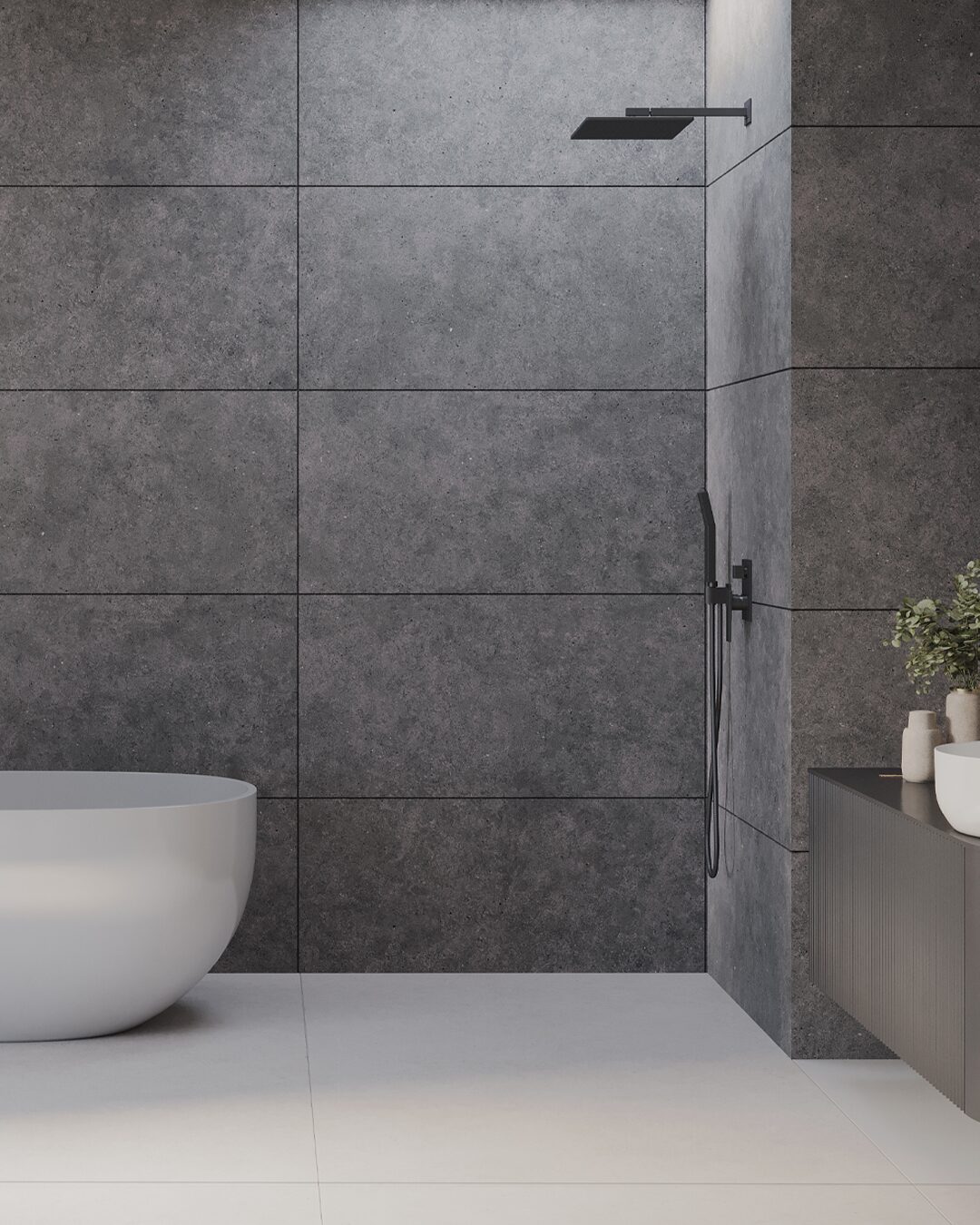
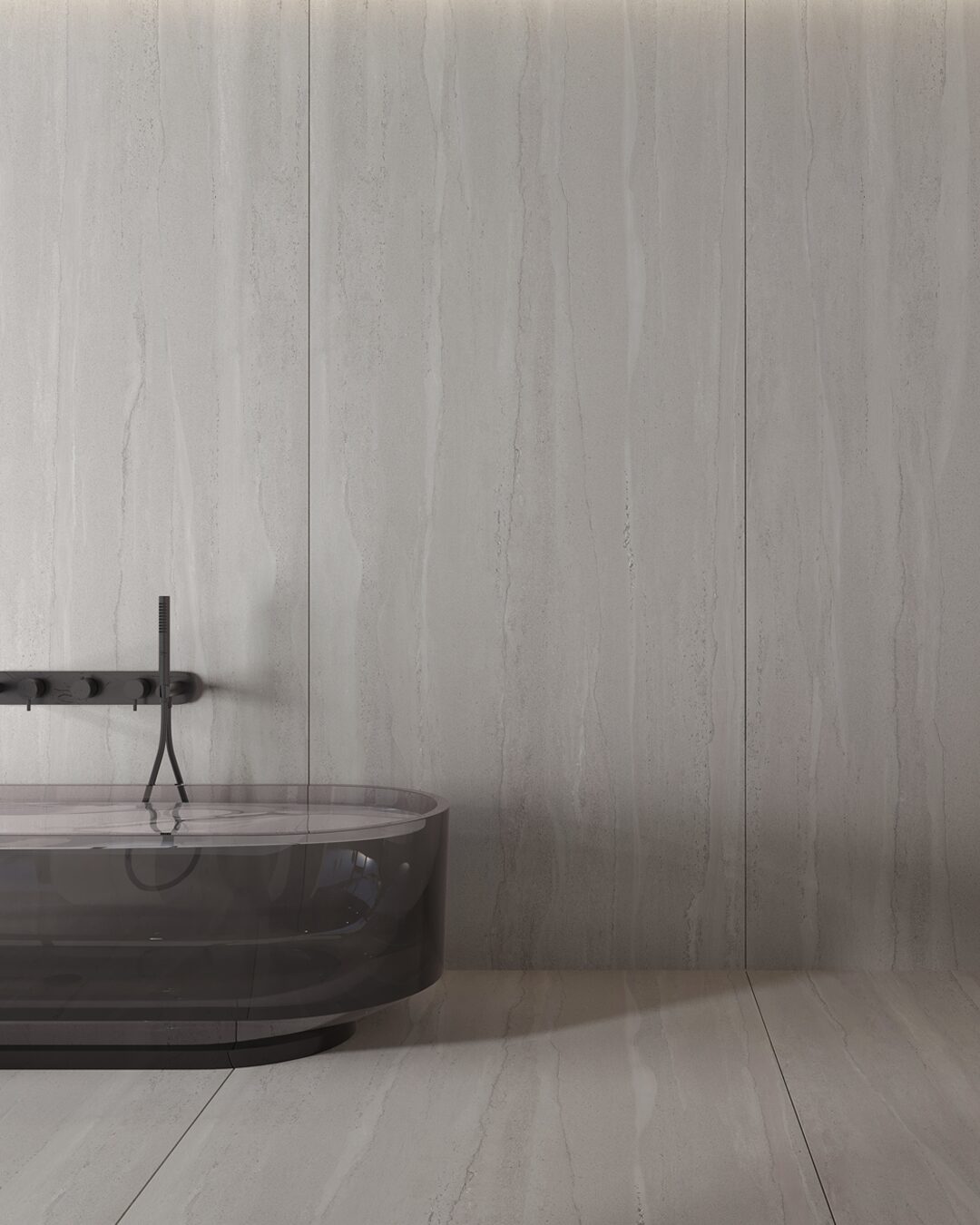
The same tile may not perform equally in a living room, bathroom, kitchen, exterior facade, terrace, or commercial building. Therefore, architects first assess the intensity of use, moisture level, foot traffic, and environmental conditions to which the floor will be exposed.
For example, the technical requirements of a heavily used store floor differ from those of a residential bathroom. Therefore, product selection is shaped according to the usage scenario.
2. They Do Not Consider Technical Performance Separately from Aesthetics
Regardless of how successful a tile’s design is, long-term problems may arise if its technical properties are not suitable for the intended area.
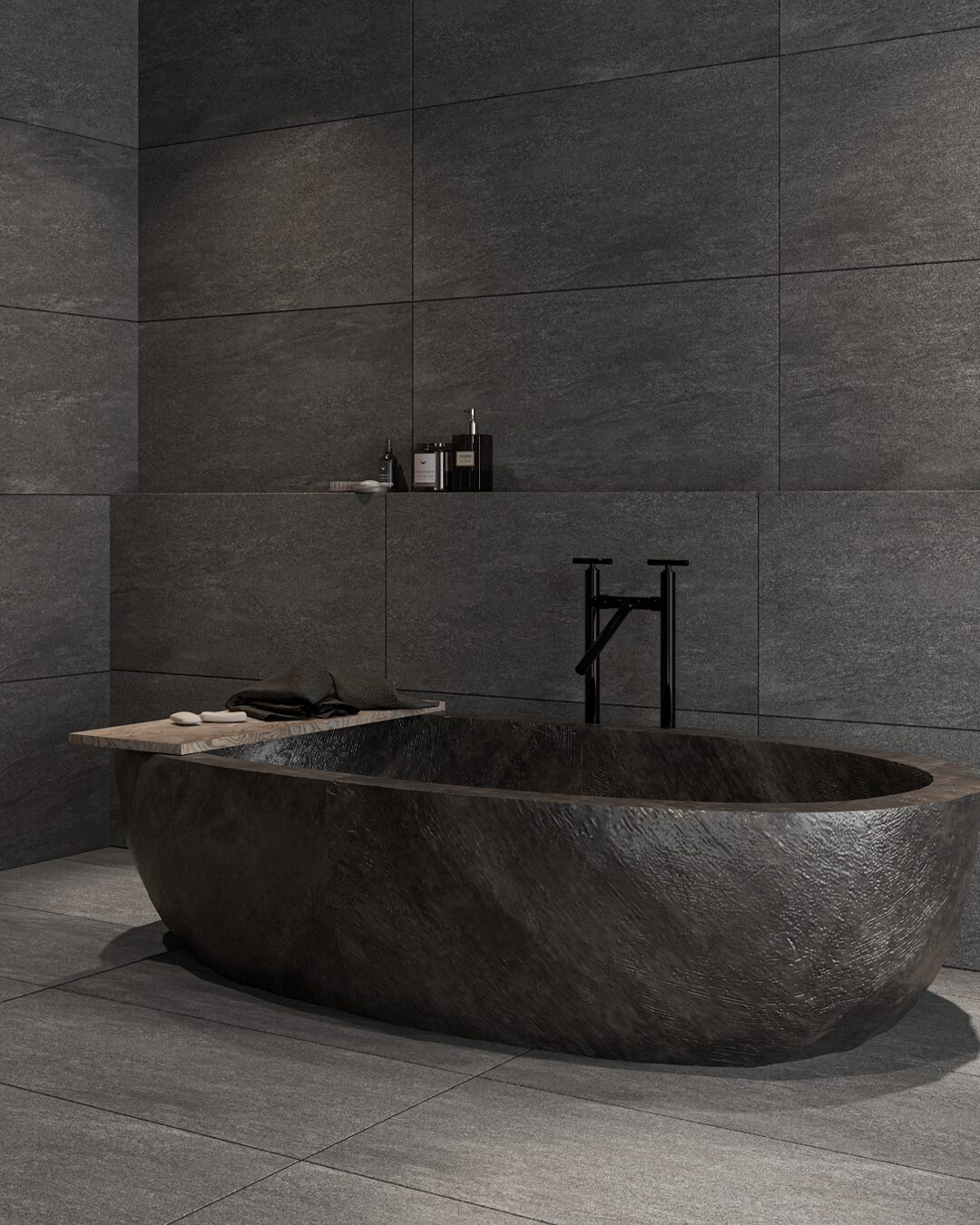
Therefore, when selecting products, architects always examine technical criteria such as:
-
Water absorption rate
-
Slip resistance class
-
Abrasion resistance
-
Frost resistance
-
Surface hardness
-
Usage class
These data are especially important in outdoor applications and heavily used areas, just as important as design decisions.
3. They Choose Sizes Suitable for the Scale of the Space
Tile size is not merely an aesthetic preference.
Large-format tiles can create a more cohesive appearance across expansive surfaces, while medium- or small-format products may provide more balanced results in some projects.
When making their selection, architects consider details such as:
-
The width of the space,
-
Ceiling height,
-
Amount of natural light,
-
Laying direction,
-
Grout planning
The aim is not simply to use large or small tiles, but to create a surface that harmonizes with the scale of the space.
4. They Prefer Timeless Designs When Selecting Colors and Textures
In professional projects, a long-lasting design approach takes precedence over decorating trends.
For this reason, architects generally prefer natural stone looks, concrete effects, simple surfaces, and neutral color palettes.
Off-white, light gray, sand tones, natural beige, and stone colors can remain current for many years because they coordinate easily with different furniture and decorating styles.
Likewise, natural textures add character to a space while creating an aesthetic that avoids an overdone appearance.
5. They Consider the Relationship Between Light and Surface
A tile’s surface type affects the perception of a space as much as its color.
Glossy surfaces can create a brighter atmosphere by reflecting light, while matte surfaces can offer a more natural and calm appearance.
When making their selection, architects consider:
-
The amount of daylight,
-
The artificial lighting plan,
-
The orientation of the space,
-
Usage habits
together.
For example, the surface chosen for an area with limited natural light may differ from the tile used in a space with a large glass facade.
6. They Create Design Cohesion Among All Materials
In a successful interior design, ceramic tile is not evaluated on its own.
Floors, walls, kitchen cabinets, bathroom furniture, countertops, doors, fixtures, and lighting elements form a complementary whole.
Therefore, when selecting ceramic tiles, architects focus not only on the product catalog but also on the project’s overall material palette.
With the right material harmony, visual clutter is avoided and the design language becomes stronger.
7. They See the Installation Process as Part of the Design
In professional projects, installation quality is as important as product selection.
Even the highest-quality tile may fail to deliver the expected result if installed incorrectly.
Therefore, architects consider the following as part of the design process:
-
Grout planning,
-
Cutting details,
-
Laying direction,
-
Corner joints,
-
Baseboard solutions,
-
Wall-to-floor transitions
Installation precision is especially important with large-format tiles. The right equipment and appropriate installation methods are decisive for both aesthetic appearance and long-lasting use.
Why Are Technical and Aesthetic Factors Evaluated Together in Professional Ceramic Tile Selection?
Ceramic tile is one of the longest-lasting building materials in a structure. Furniture, wall colors, or decorative elements may change over time; however, ceramic coverings generally continue to be used for many years.
Therefore, decisions made in professional projects focus more on long-term performance than on short-term decorating trends.
A properly selected tile can:
Provide ease of use,
Reduce maintenance needs,
Support the value of the space,
Strengthen design cohesion,
Preserve its aesthetic appearance for many years.
This approach clearly demonstrates why architects attach importance not only to visual appeal but also to technical data when selecting products.
Ceramic tile selection is not merely a decorative stage of the architectural design process; it is an important decision that affects a building’s performance and user experience. A professional approach requires evaluating the intended use, technical properties, spatial scale, material compatibility, and installation details together. This holistic perspective is also the foundation for creating long-lasting, aesthetic, and functional spaces.

 Ankara