

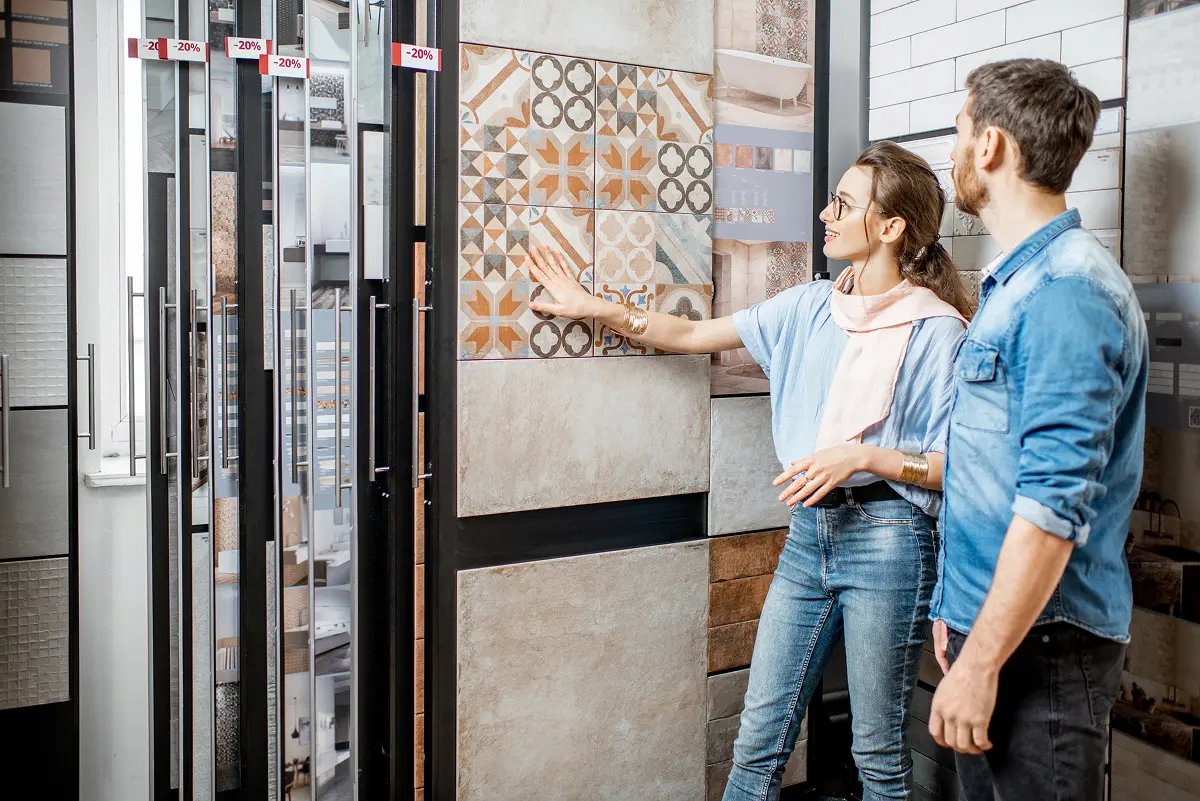
Choosing ceramic tiles is more than an aesthetic decision that determines the appearance of a living space; it is a technical process that directly affects the performance of surfaces used for many years. When the right product is selected, maintenance needs decrease, service life increases, and the functionality of the space is preserved. In contrast, choices based solely on color or pattern may negatively affect usage comfort over time.
Today, ceramic tiles are preferred in many different areas, from residences to commercial buildings, offices, and healthcare facilities. However, the needs of each area differ. Therefore, when selecting a product, attention should be paid not only to design but also to technical properties.
1. Identify the Area Where the Ceramic Tile Will Be Used
The first issue to evaluate when choosing ceramic tiles is the area of use. Indoor and outdoor spaces, bathrooms, kitchens, balconies, terraces, and commercial areas with heavy foot traffic require different performance characteristics.
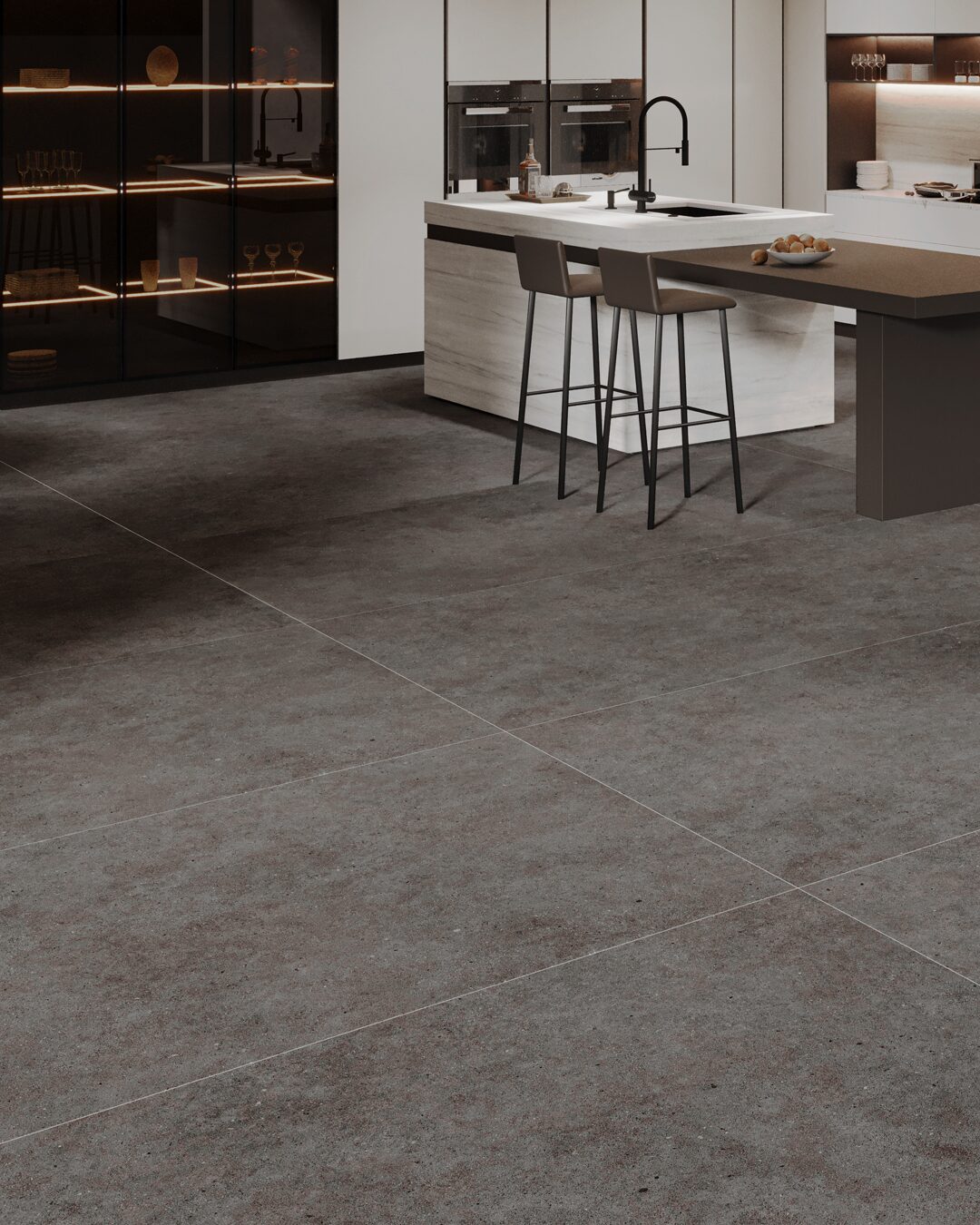
For example, ceramic tiles used outdoors are expected to withstand temperature changes and environmental conditions, while slip-resistant surface properties become more important in areas such as bathrooms that are constantly exposed to water. The same product may not be suitable for every area.
2. Pay Attention to Water Absorption
One of the most important criteria among the technical properties of ceramic tiles is water absorption.
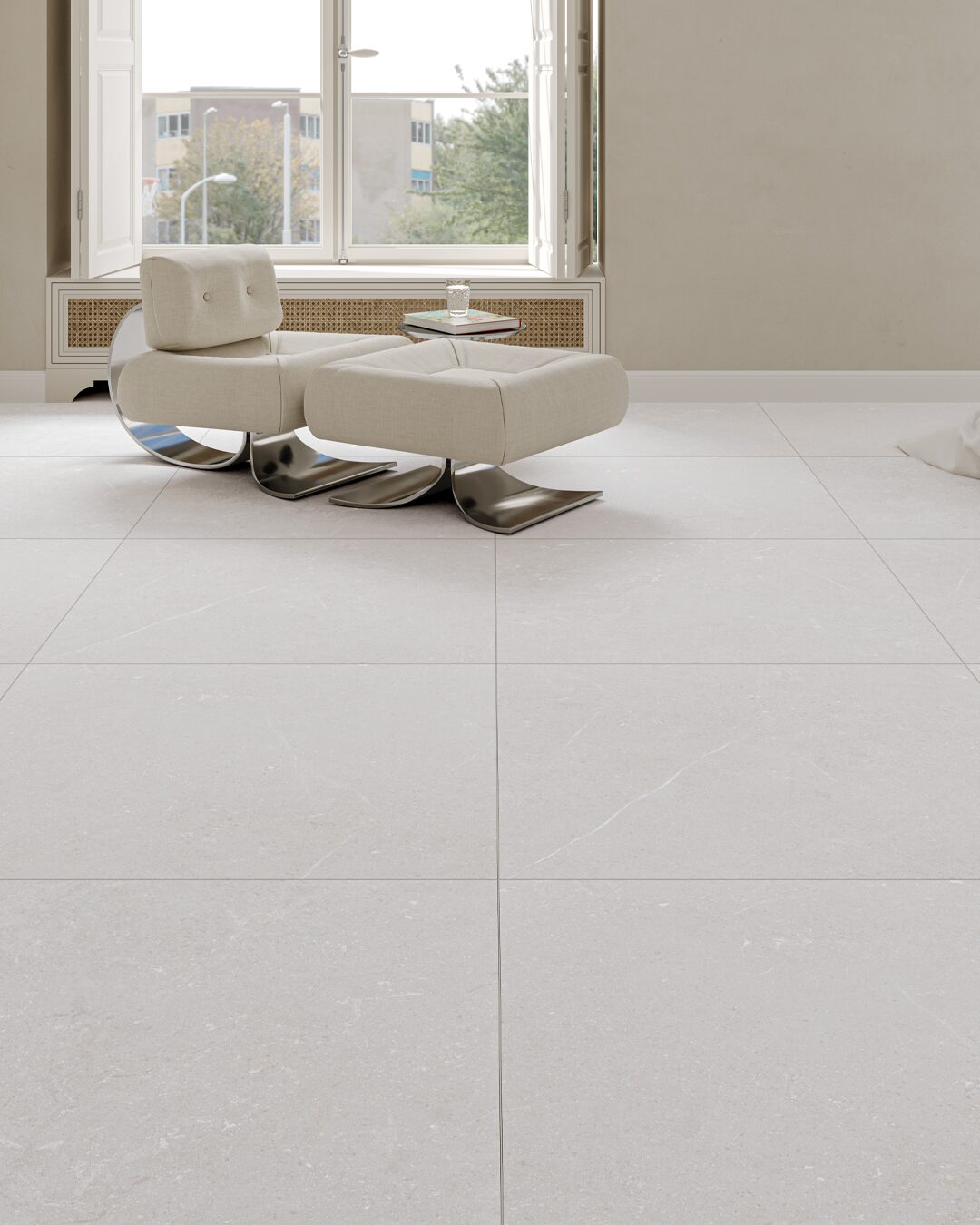
Products with low water absorption provide more durable performance in damp environments. This value is particularly important for exterior applications, balconies, terraces, and areas exposed to heavy water.
Water absorption can affect not only durability but also resistance to freeze-thaw cycles.
3. Do Not Ignore the Slip Resistance Rating
The slip resistance class should be considered to ensure safe use on wet floors.
It is important that ceramic tiles selected for bathrooms, kitchens, pool surrounds, terraces, and entrance areas have a slip resistance rating suitable for their intended use. This feature can be decisive for safety, especially in areas used by children, older adults, or large numbers of people.
When selecting a surface texture, usage safety should be evaluated as much as aesthetics.
4. Examine Wear Resistance
Not all ceramic tiles are suitable for the same intensity of use.
In heavily used areas, the surface must be resistant to scratches and wear. Products with high wear resistance should be preferred in continuously used areas such as corridors, stores, offices, restaurants, and commercial buildings.
In low-traffic areas, different technical properties may take priority.
5. The Right Size Selection Changes the Perception of a Space
Ceramic tile size is not merely a visual preference; it also affects how a space is perceived.
Large-format ceramic tiles can provide a spacious and seamless appearance because they create fewer grout lines. Smaller sizes can offer different design alternatives, especially in narrow areas.
However, the dimensions of the surface, the need for cutting, and the installation plan should be evaluated together when making a selection.
6. Determine the Surface Texture According to the Intended Use
Glossy, matte, natural stone-look, and textured surfaces offer different usage advantages.
Glossy surfaces can create a brighter appearance by reflecting more light, while matte surfaces may make fingerprints and water stains less noticeable. Textured surfaces can help reduce slipping, especially in outdoor applications.
When choosing a surface, not only its decorative appearance but also ease of maintenance and usage habits should be taken into consideration.
7. Think Long Term When Choosing Color and Pattern
Ceramic tiles are among the building materials intended for use over many years, not just for a short period.
Therefore, instead of choosing solely according to temporary decoration trends, timeless colors and patterns compatible with the overall design language of the space should be preferred.
Lighting, wall colors, furniture, and the amount of natural light can also directly affect the appearance of ceramic tiles within a space.
8. Grout Compatibility Is at Least as Important as the Ceramic Tile
In a successful installation, grout selection plays an important role alongside the ceramic tile itself.
Grout color can support surface integrity or bring patterns to the forefront. At the same time, the resistance of the grout material to moisture, dirt, and chemical cleaning products is important for long-term use.
Proper grout application can provide advantages not only in terms of appearance but also hygiene.
9. Evaluate Maintenance and Cleaning Requirements
Not every ceramic tile surface requires the same level of maintenance.
Surfaces that are easy to clean can provide an advantage in daily use, especially in heavily used areas. Cleaning practices may vary for matte, glossy, or textured surfaces.
When choosing ceramic tiles, not only the initial appearance but also the maintenance conditions that can be sustained for years should be considered.
10. Examine the Product’s Technical Documents and Standards
Technical data forms the basis of a quality ceramic tile selection.
Product information provided by the manufacturer contains important details about the intended area of use, water absorption, wear resistance, slip resistance class, and other performance values.
Examining these technical properties helps determine whether the product is compatible with its intended use. Especially in large-scale projects, evaluating technical criteria together rather than making decisions based solely on visual features leads to more accurate long-term results.
Choosing ceramic tiles is a process that requires a balanced evaluation of aesthetic expectations and technical requirements. Selecting products with technical properties suitable for the area of use, together with proper installation methods, both extends service life and preserves the performance of the space. Therefore, at the decision stage, considering criteria such as safety, durability, ease of maintenance, and intended use alongside appearance is an important approach for long-term satisfaction.

 Ankara