


In ceramic selection, surface type is one of the important criteria that directly affects the user experience, just as much as color, pattern, and size. Matte and glossy ceramics, the two most preferred surface options today, differ not only in their aesthetic appearance but also in terms of ease of maintenance, slip resistance, light reflection, and areas of use.
The right choice should be made not only according to the principles of decoration but also by considering the needs of the space where the ceramic will be used. A surface that looks stylish in living areas may not deliver the same performance in heavily used commercial spaces. Similarly, a glossy ceramic that looks impressive in a spacious living room may not be the right choice for a floor that is constantly exposed to water.
So, which is more advantageous: matte or glossy ceramic? There is no single correct answer. The deciding factors are the area where the ceramic will be used and usage habits.
What Is Matte Ceramic?
Matte ceramics are products that reflect minimal light and have a more natural surface appearance. Today, matte surfaces are frequently preferred in both residential and commercial projects, especially with the growing popularity of simple, modern, and natural design approaches.
With their eye-friendly structure, matte surfaces can create a more balanced and calm atmosphere in a space. In addition, the fact that they show everyday signs of use, such as fingerprints, water spots, and dust, less than glossy surfaces provides an important maintenance advantage.
This natural appearance is also the main reason matte surfaces are preferred in ceramic collections that reflect the texture of natural stone, concrete, or wood.
What Is Glossy Ceramic?
Glossy ceramics have a light-reflecting appearance thanks to the special glaze layer on their surface. This feature can make a space appear brighter and more spacious.
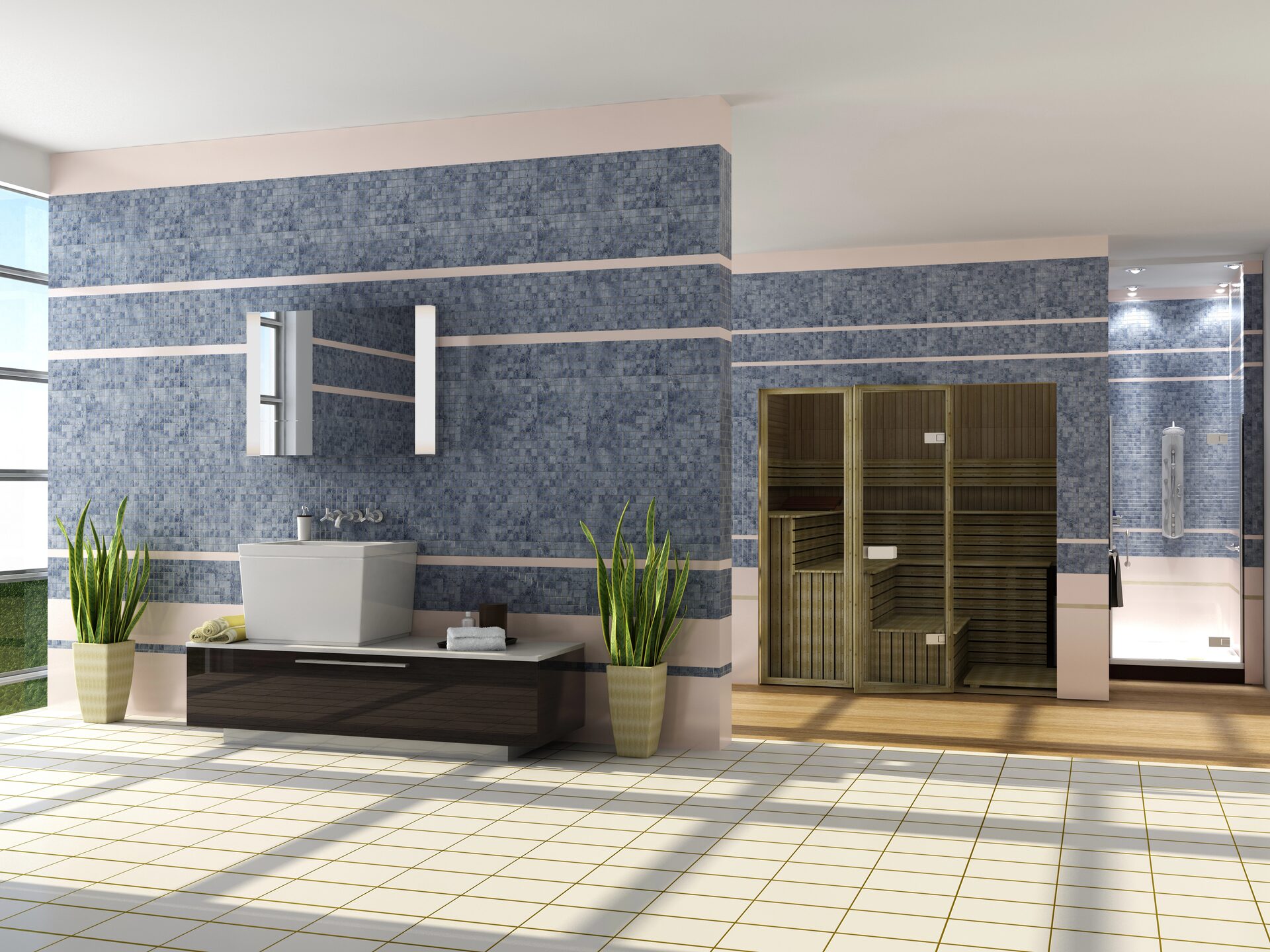
Glossy surfaces can help distribute light more effectively throughout a space, especially where natural light is limited. For this reason, they are frequently preferred in small bathrooms, narrow corridors, or areas that do not receive daylight.
Glossy surfaces can also create a strong aesthetic effect in marble-look ceramics and classic decoration styles.
Advantages of Matte Ceramic
One of the most important advantages of matte ceramics is that they show everyday signs of use less. Fingerprints, water droplets, light dust, and surface stains are less noticeable compared with glossy ceramics.
Another important advantage is that they may offer a lower risk of slipping. Depending on the surface texture, matte ceramics can provide safer use, especially in areas such as bathrooms, kitchens, balconies, and terraces.
Matte surfaces also complement the natural and simple design approach frequently preferred in contemporary architecture. When used with wood, stone, or concrete textures, they can create a cohesive appearance.
Advantages of Glossy Ceramic
The standout feature of glossy ceramics is their ability to reflect light. This can create a more spacious and airy impression, particularly in small spaces.
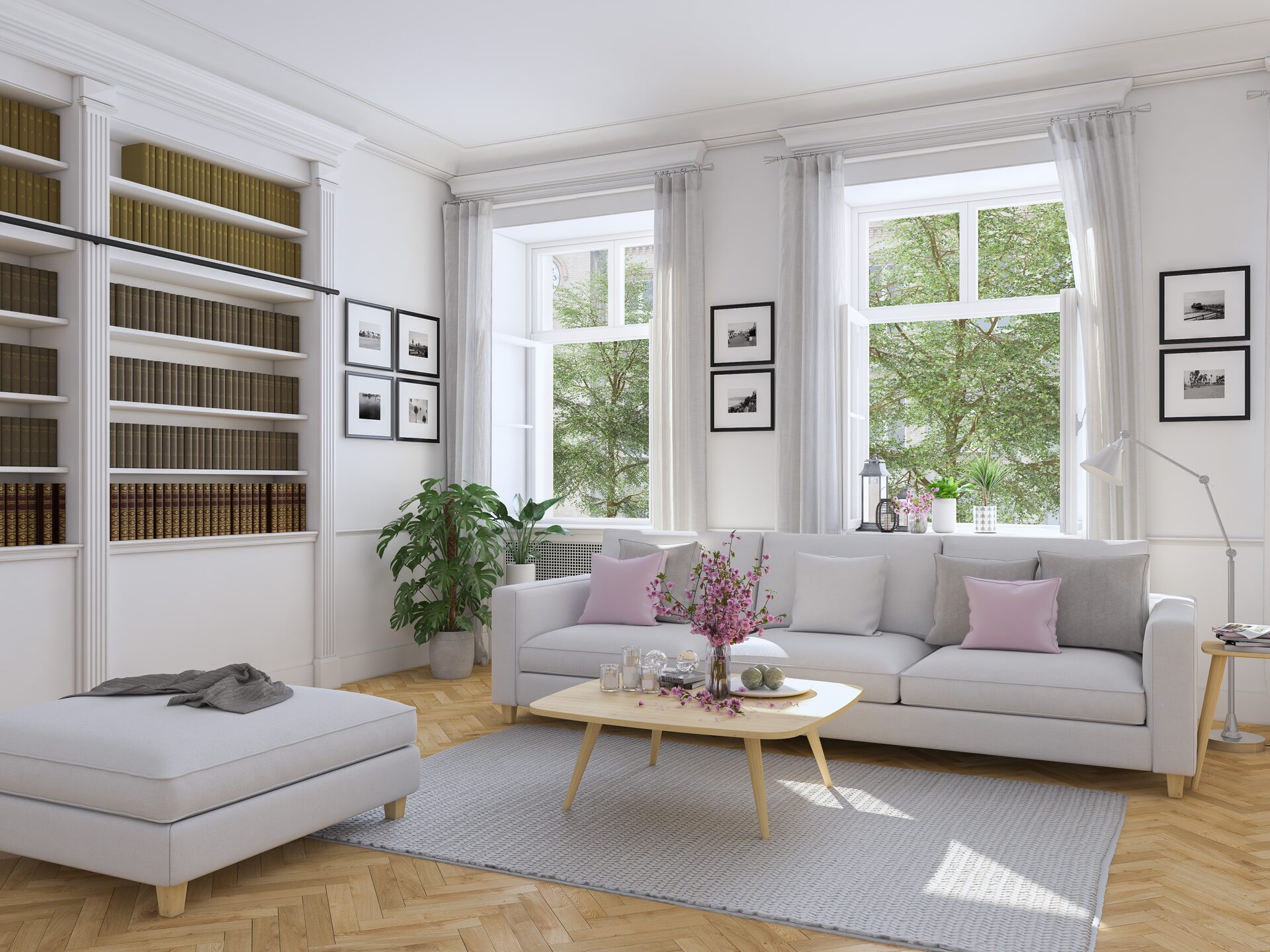
Their ability to make veining transitions more pronounced in marble-patterned ceramics provides an important decorative advantage. For this reason, they are frequently preferred in luxury hotels, showrooms, entrance halls, and reception areas.
Thanks to their smooth and even surface, daily cleaning can also be carried out practically. However, water stains or fingerprints on the surface may be more noticeable than on matte surfaces.
In Which Spaces Should Matte Ceramic Be Preferred?
Matte ceramics offer functional advantages, especially in heavily used areas.
While slip resistance is a key consideration in bathrooms and shower areas, showing everyday signs of use less can be an important reason to choose them in kitchens. Matte surfaces can also provide safer use in corridors, balconies, terraces, and outdoor applications.
In addition, matte surfaces create a more balanced appearance in projects that embrace minimalist, Scandinavian, and natural decoration styles.
In Which Spaces Should Glossy Ceramic Be Preferred?
Glossy ceramics are generally preferred in areas where aesthetic impact is the priority.
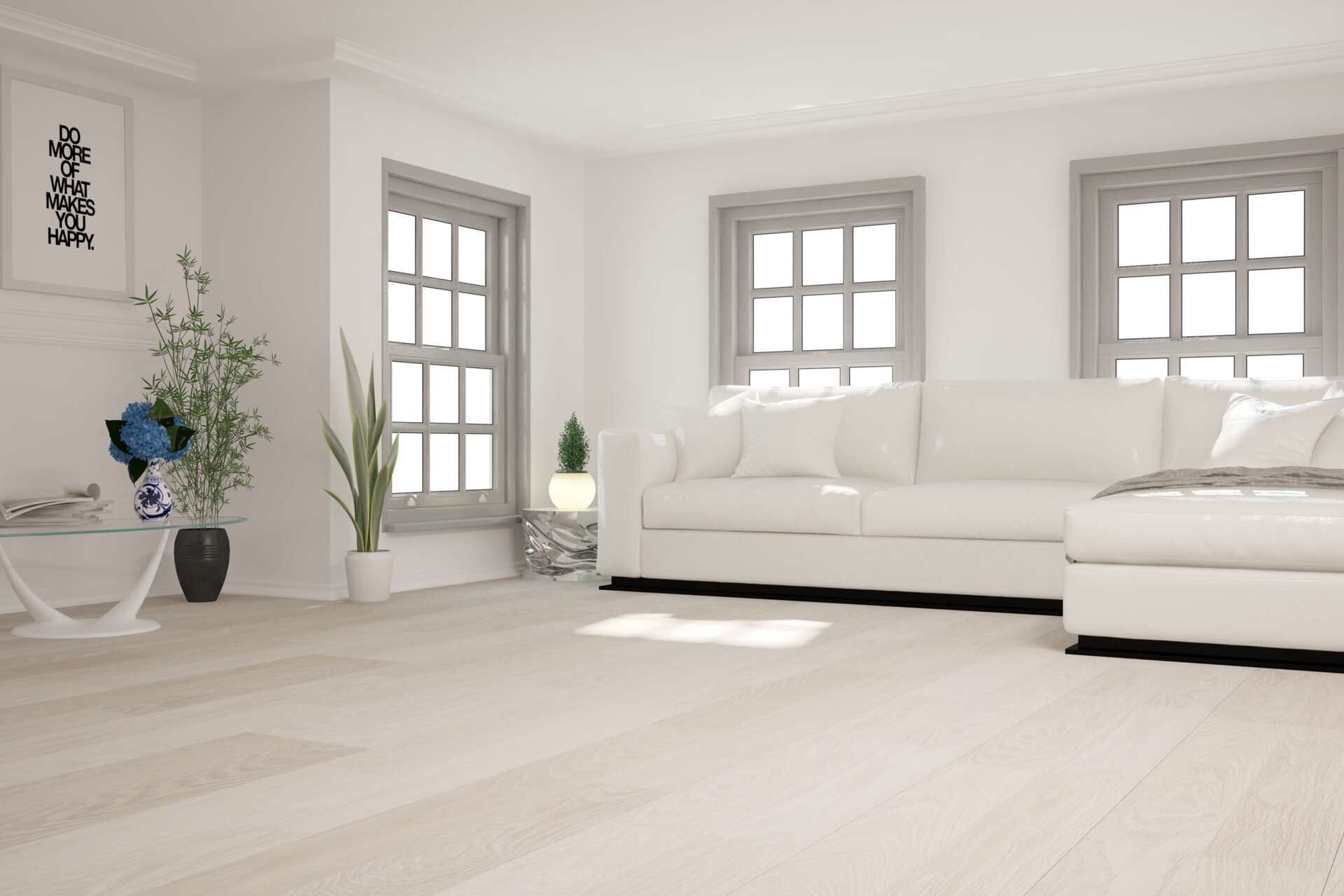
In living rooms, lounges, entrance halls, and guest reception areas, light-reflecting surfaces can make the space appear larger.
Glossy ceramics can also enhance the sense of brightness in areas with insufficient natural light. However, the product’s technical specifications must be checked carefully in areas that are constantly exposed to water or experience heavy foot traffic.
Can Matte and Glossy Ceramics Be Used Together?
Today, matte and glossy surfaces are used together in many interior design projects.
For example, choosing matte ceramic for the floor and a glossy surface for the walls can create a balanced solution that supports both safety and aesthetics.
Similarly, in bathroom designs, matte surfaces can be preferred in the shower area, while glossy ceramics can create contrast on the vanity or decorative walls.
This approach adds dynamism to the space while helping preserve functionality.
What Should Be Considered When Choosing?
When deciding between matte and glossy ceramic, focusing solely on the decoration style is not the right approach.
First, the characteristics of the area of use should be evaluated. Whether the floor is constantly getting wet, whether the area is heavily used, the amount of natural light, cleaning habits, and the overall design language of the space should all be considered together.
In addition to the ceramic’s surface type, wear resistance, slip-resistance class, water absorption rate, and the technical specifications stated by the manufacturer are also important criteria to consider during the selection process.
Rather than speaking of superiority between matte and glossy ceramics, it is more accurate to assess which surface is more suitable under which conditions. A ceramic with technical specifications suited to its intended use can preserve both its aesthetic appearance and performance for many years. Therefore, the right choice should be shaped not only by visual expectations but also by the needs and conditions of the space.

 Ankara