

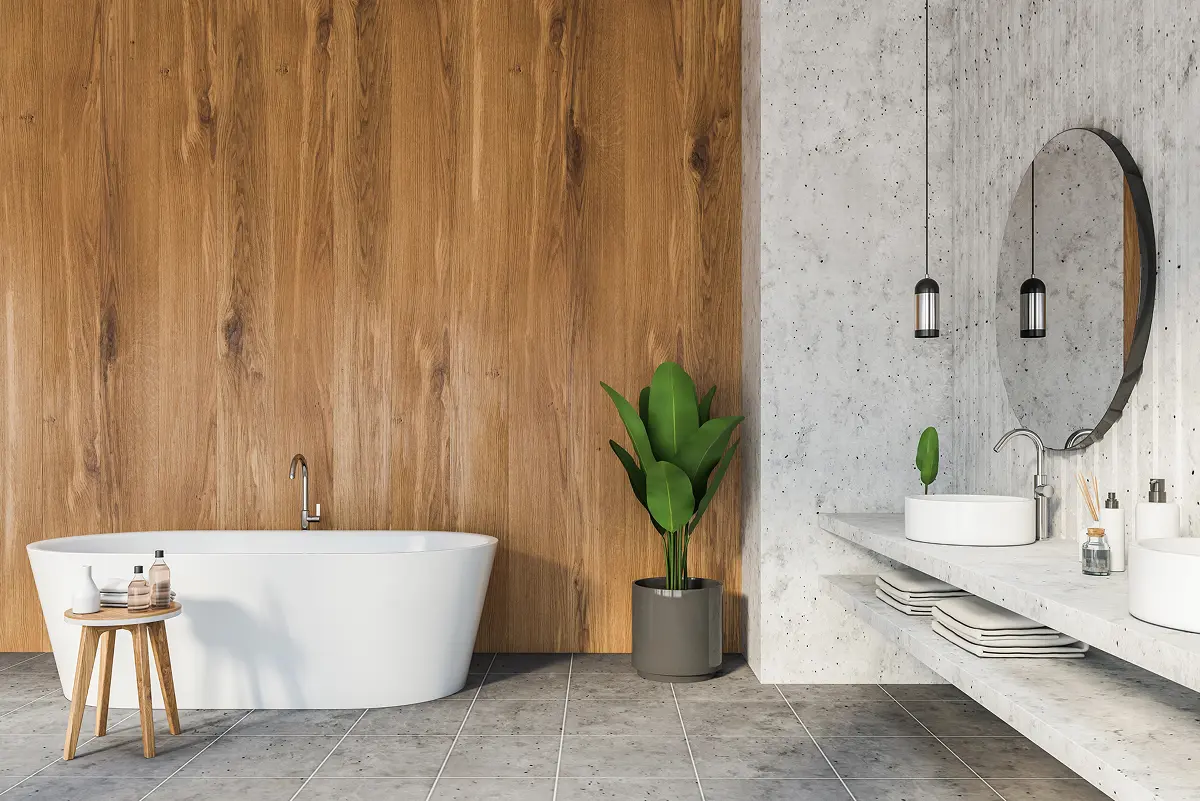
Flooring is one of the most important structural elements determining both the aesthetic appearance and daily-use comfort of a living space. One of the most common questions when designing a new home or renovating an existing living space is, "Should ceramic tile or parquet be preferred?"
There is no single answer to this question that applies to everyone. The right flooring is determined by evaluating many factors together, such as usage habits, the function of the space, climate conditions, maintenance expectations, and aesthetic preferences.
Ceramic tile and parquet are two different materials offering distinct advantages. What matters is correctly analyzing which product is more suitable for which usage scenario.
The First Criterion in Choosing Flooring Is the Area of Use
The most important factor determining a flooring’s performance is its compatibility with the area where it will be used.
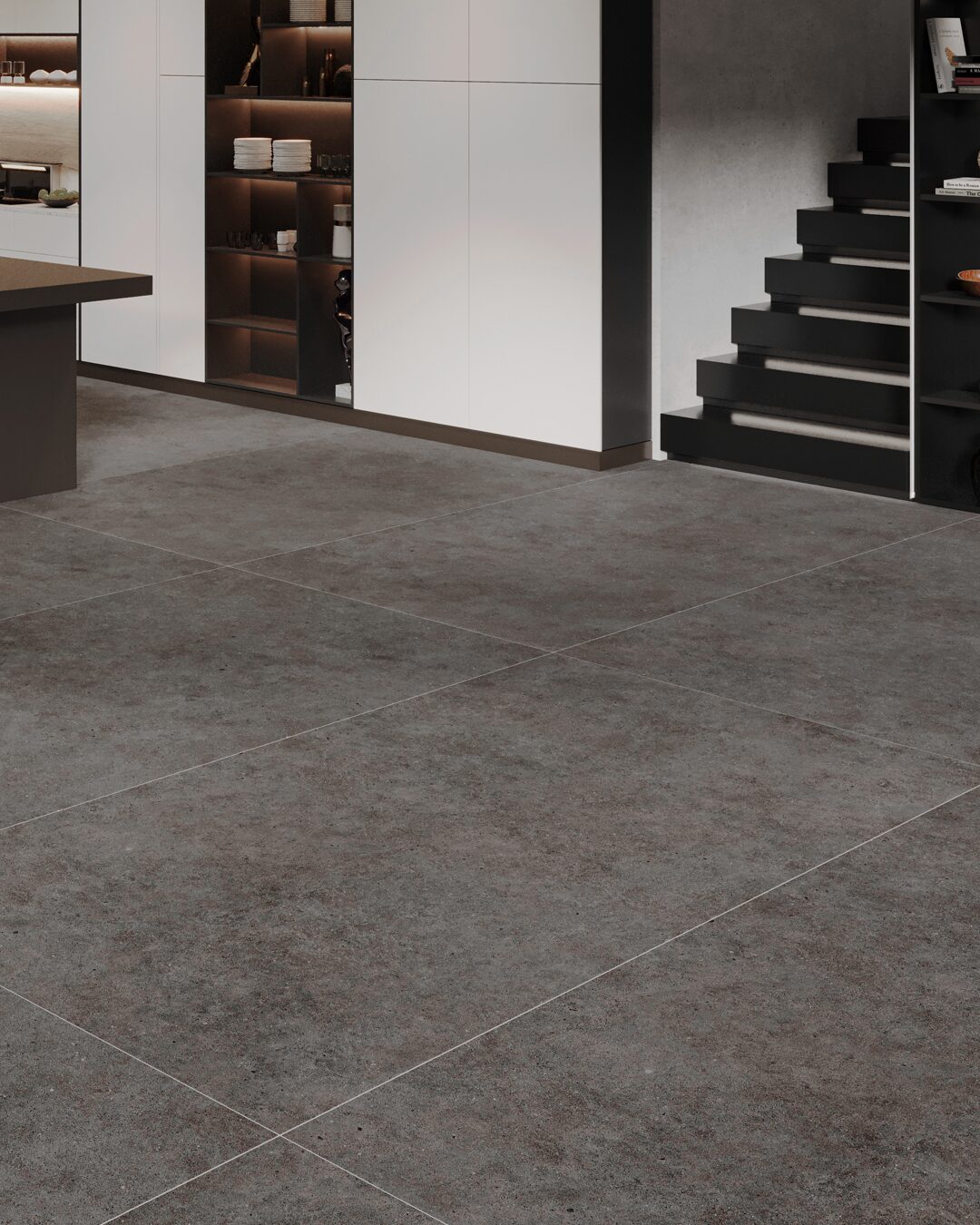
Living rooms, kitchens, bathrooms, entrance halls, balconies, and commercial areas have different usage conditions. Humidity levels, daily foot traffic, exposure to sunlight, and cleaning habits are decisive in choosing the right product.
Therefore, rather than using a single type of flooring throughout all living spaces, it is more appropriate to choose solutions suited to each space’s needs.
Advantages of Ceramic Flooring
Ceramic tile is one of the most preferred flooring materials thanks to its high durability and long service life.
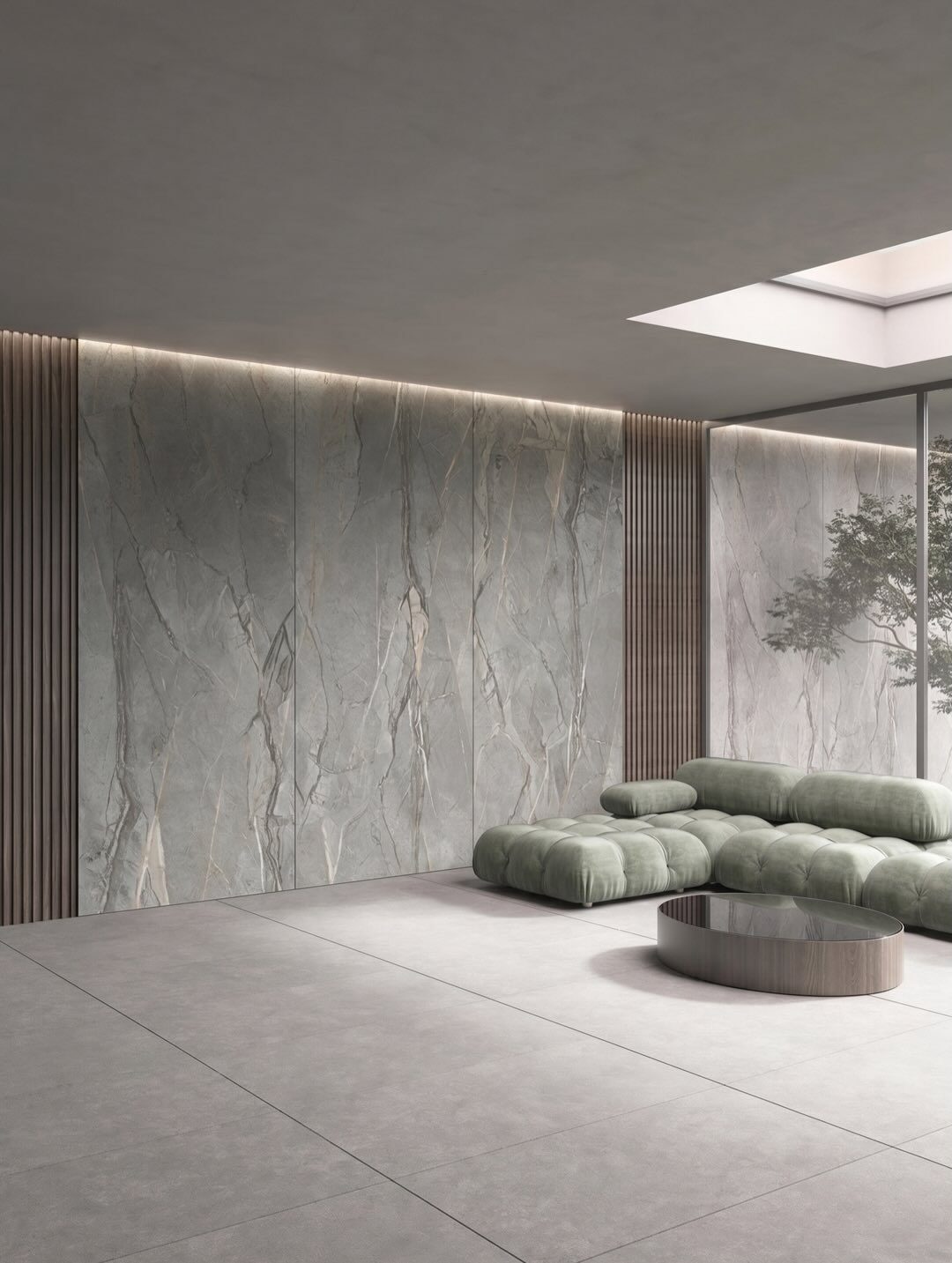
It offers significant advantages, especially in kitchens, bathrooms, entrance halls, and outdoor applications due to its resistance to water and moisture.
Ceramic tiles with the right technical specifications;
-
Are durable against intensive use.
-
Are not affected by water or moisture.
-
Can be cleaned easily.
-
Can be resistant to scratching.
-
Offer a wide range of colors, patterns, and sizes.
-
Require little regular maintenance.
Thanks to advances in production technologies in recent years, ceramic tiles with natural wood, marble, travertine, and concrete appearances have also become quite common.
Advantages of Parquet
Parquet is one of the flooring options that brings a warm and natural atmosphere to living spaces.
The main reason it is preferred especially in living rooms, sitting rooms, and bedrooms is its natural appearance and walking comfort.
Quality parquet applications;
-
Can create a warm indoor feeling.
-
Can provide softer acoustics.
-
Can complement a natural decorating approach.
-
Can create a strong aesthetic impact in residential projects.
Parquet performance may vary depending on the product type, surface coating, and usage conditions.
Which Flooring Is More Suitable for Damp Areas?
In areas that may come into constant contact with water, such as bathrooms, kitchens, laundry rooms, and outdoor spaces, the flooring’s moisture resistance becomes especially important.
Ceramic tile is widely preferred in such areas thanks to its low water absorption rate. Products with suitable slip-resistance values can also offer advantages for safe use.
For parquet products, moisture resistance varies according to the material used. Therefore, the usage conditions recommended by the manufacturer must be taken into account when parquet is chosen.
Which Is More Advantageous in Terms of Durability?
When evaluating durability, usage conditions—not only the hardness of the material—must be considered.
In areas with heavy foot traffic, ceramic tiles with the right technical specifications can maintain their performance for many years.
For parquet, the quality of the surface coating, usage intensity, and regular maintenance are important factors affecting service life.
Both materials can be used trouble-free for a long time when used in the right area and in the right way.
Maintenance and Cleaning Comparison
Daily maintenance habits are also an important criterion when choosing flooring.
Ceramic surfaces can generally be cleaned easily with regular cleaning products. Their resistance to moisture provides an advantage in kitchens and bathrooms.
With parquet, the cleaning products used and the surface’s contact time with water must be managed more carefully. Maintenance in accordance with the manufacturer’s recommendations helps preserve surface performance.
Therefore, when making a choice, long-term maintenance requirements should be evaluated rather than focusing only on the initial appearance.
Which Is More Suitable Aesthetically?
There is no definitive answer to this question.
Today, ceramic tiles can be produced with many different surface appearances, such as natural stone, wood, marble, and concrete. This allows them to complement classic, modern, industrial, or minimalist designs.
Parquet, thanks to its natural warmth and textural effect, is among the materials preferred especially in living spaces.
The right choice should be made by determining the material that complements the space’s overall design language.
Can Ceramic Tile and Parquet Be Used Together in the Same Home?
Today, different flooring types are used together in many residential projects.
For example, parquet may be preferred in living rooms and bedrooms, while ceramic tile is commonly used in kitchens, entrance halls, and bathrooms.
This approach allows materials suited to each area’s usage needs to be selected. Proper planning of transition details contributes to creating a cohesive design language.
Technical Criteria to Consider When Choosing Flooring
The following criteria should be evaluated together when deciding between ceramic tile and parquet:
-
Area of use
-
Exposure to moisture and water
-
Daily usage intensity
-
Cleaning habits
-
Compatibility with the heating system
-
Need for slip resistance
-
Durability expectations
-
The space’s design language
-
Installation and maintenance conditions
These criteria play a decisive role not only in product selection but also in long-term user satisfaction.
How Is the Right Flooring Determined?
Ceramic tile and parquet are less alternatives to each other than two separate flooring solutions that meet different needs.
When making a decision, usage habits, technical requirements, and the characteristics of the living space should be evaluated together with aesthetic expectations. Especially for an installation intended to last for many years, durability and functionality should take priority over simply following current decorating trends.
The right flooring is a solution that supports the purpose of the space, suits its maintenance needs, and completes its design integrity. While ceramic tile and parquet offer different advantages, both materials can create long-lasting and aesthetically pleasing living spaces when used in the right place. Therefore, the healthiest approach is to evaluate usage conditions and technical specifications together rather than focusing only on the product’s appearance.

 Ankara